

Knowing how to look after your car keeps it safe, reliable, and worth more when you sell. From anti-freeze to tyres, there’s a lot to stay on top of. This guide walks you through car maintenance step by step, so nothing gets missed.
How to look after your car on the road & in storage
Cars are more than four wheels and a body. Almost every part you look after day to day also needs care when the car is in storage.
Planning a holiday or thinking about a SORN? Correct storage is key. Storing a car and storing it properly are two different things.
Get it wrong, and you may come back to a flat battery and rust. So run through the checks below before you put your car away.
Before you store your car for weeks or months, check the:
- engine
- tyres
- anti-freeze levels
- fuel levels
- car battery
- paintwork
- winter essentials
- storage environment

You’ll also need somewhere suitable to keep your car. We’ll cover each of these, plus general car care, below.
How to maintain your car engine
For anyone wondering how to maintain your car’s engine, here are the key jobs to keep on top of:
Check your engine oil levels
It is essential to check your engine oil levels regularly to keep your car running smoothly. The oil acts as a lubricant, helping reduce engine temperature and maintain fuel efficiency.
Regular fortnightly checks can prevent engine failure and reduce the risk of breakdown. Always check when the engine is cool, ideally before you set off:
- Make sure your car isn’t parked on a slope and the engine is cool
- Open your car’s bonnet and find the dipstick
- Pull out the dipstick and wipe off the oil to see the minimum and maximum markings
- Push the dipstick all the way back in, then remove it again
- Anything less than halfway between min and max usually means your car needs a top-up
- Add oil slowly, paying attention to the level, so you don’t overfill
- Wipe up any spillage, tighten the cap, replace the dipstick, and close the bonnet
In some cars, you may not see a dipstick. Instead, your car may have an automatic oil monitor fitted.
Check your manufacturer’s guide to see how to get a reading. Most often, it shows on the dash.
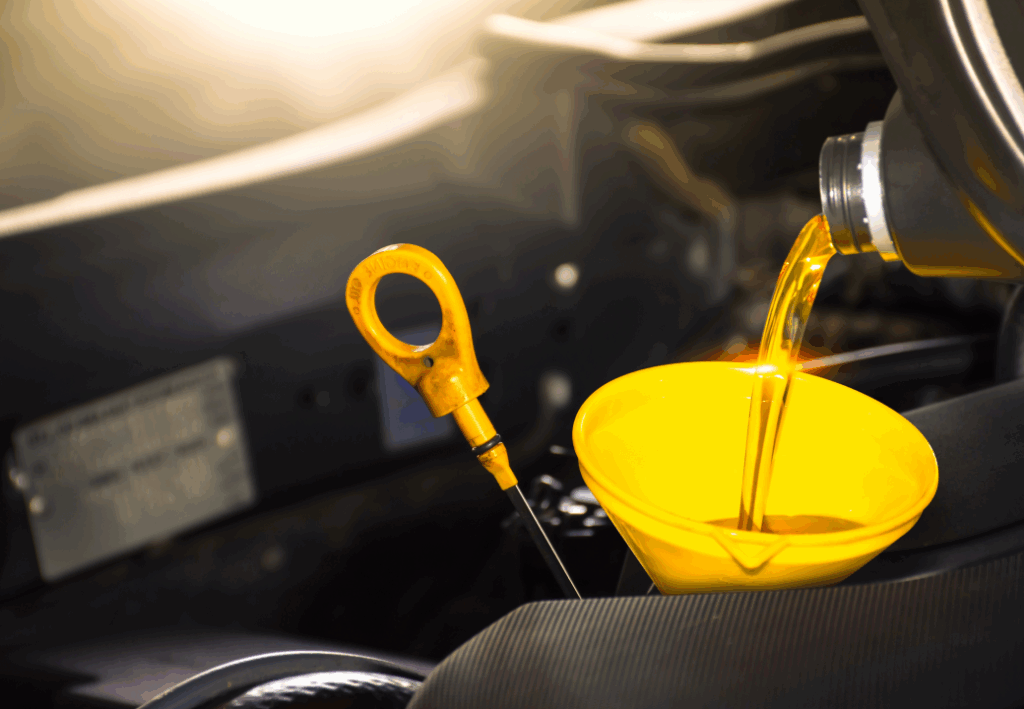
Changing your oil and filters
You should do more than check oil levels. Changing the oil regularly protects your car’s engine and extends its life.
How often depends on your car and how you drive it. According to the RAC, you should change engine oil in line with your manufacturer’s recommendations, typically every 5,000 to 7,500 miles. Always follow the interval in your owner’s handbook.
This basic servicing helps keep your engine clean, protects its parts, and improves performance. Oil and filter changes are usually standard in a car service. Book it in with a mechanic before storage, or whenever you want your car at its best.
Checking your fuel levels/electric battery charge
Fuel is essential to keep your car’s engine running effectively. When filling up, make sure you know whether your car takes petrol or diesel. Putting in the wrong fuel could damage the engine.
For electric cars, try to keep the battery between 20-80%. Public charging points for electric cars are widely available, so staying at a comfortable charge is easy.
Checking your antifreeze (coolant)
Antifreeze is another essential fluid for your engine. Check regularly that it sits between the minimum and maximum marks.
Once topped up, run your engine briefly so the fluid circulates. Do not overfill, as this can overheat and damage your cooling system.
You will also need to drain and change your antifreeze around every 30,000 miles. This varies by car type and coolant, so check your manufacturer’s guidelines for your car’s cooling system.
How to maintain your car battery
Maintaining your petrol or diesel car battery is simple. You can leave a car unused for weeks or months.
Even so, start the engine when you can to keep the battery healthy. Running it for 15 minutes every week or two stops the battery draining flat.
If you can’t drive the car, connect the battery to a battery maintainer. It charges the battery now and then, keeping things healthy until you drive again.
If that isn’t possible and the battery fails, recondition it after storage. Reconditioning gets your car running smoothly and safely again.
Electric car batteries can use a trickle charger. Just like charging an electric car at home, you’ll need suitable off-road parking.
How to maintain your car paint
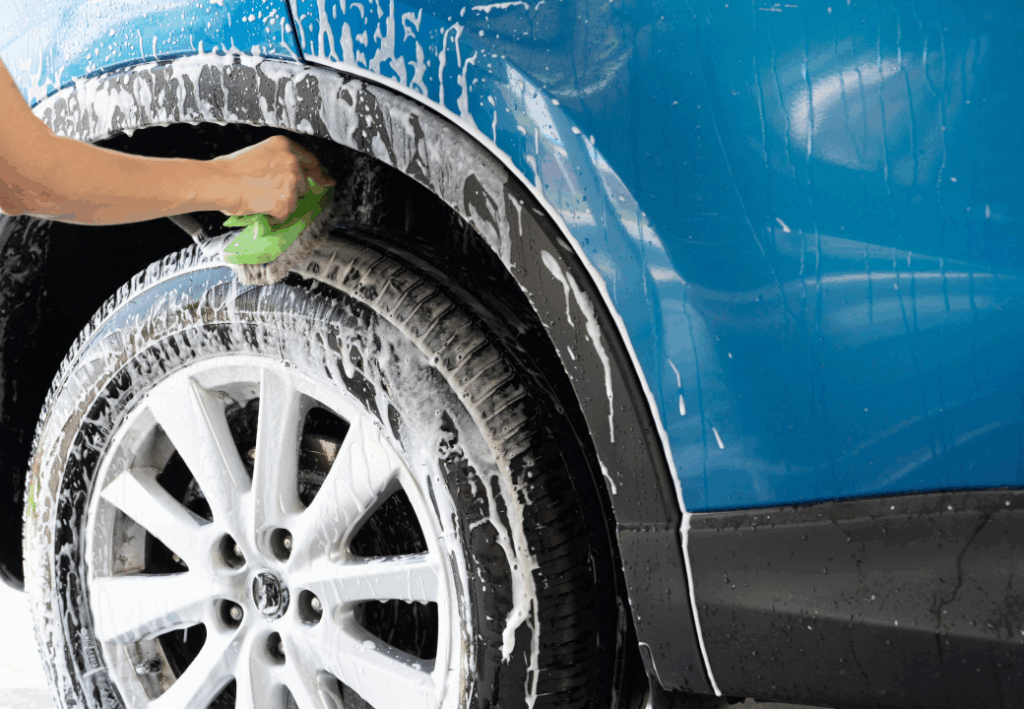
Knowing how to maintain your car paint matters as much as the engine beneath it. Dirt, debris, or moisture left on the paint can cause corrosion over time, especially in storage.
Wash your car thoroughly on a regular basis, and always before storing it. For extra protection, wax and polish the body to keep your car looking new.
How to maintain your car tyres
Your tyres are the only part of your car that touches the road. Healthy tread and correct pressure keep you safe and legal.
The legal minimum tread depth in the UK is 1.6mm. According to the RAC, most safety experts recommend replacing tyres at 3mm, as wet braking distance can be up to 44% worse at 1.6mm.
You can check tread quickly with the 20p test. Place a 20p coin in the main grooves.
If the coin’s outer band is hidden, your tread is above 1.6mm. If you can see the band, get your tyres inspected.
Check your pressure at least once a month and before long trips. Use the settings in your owner’s handbook, as correct pressure improves grip, braking, and fuel efficiency.
Worn or illegal tyres are costly too. The RAC warns you can be fined up to £2,500 and get three penalty points per illegal tyre.
Which car fluids should you check?
Alongside engine oil, a few key fluids keep your car safe and reliable. Check them regularly, and top them up between the minimum and maximum marks.
- Engine oil: lubricates and cools the engine. Check it cold every couple of weeks, as covered in the engine section above.
- Coolant (antifreeze): stops your engine overheating or freezing. Check it twice a year, before summer and winter.
- Brake fluid: keeps braking responsive. Have it checked at each service, and never let it fall below the minimum.
- Screen wash: keeps your windscreen clear. Top it up often in winter, when salt spray cuts visibility.
If a fluid drops quickly or looks dirty, book your car in with a mechanic to rule out a leak.

How to look after your car in winter
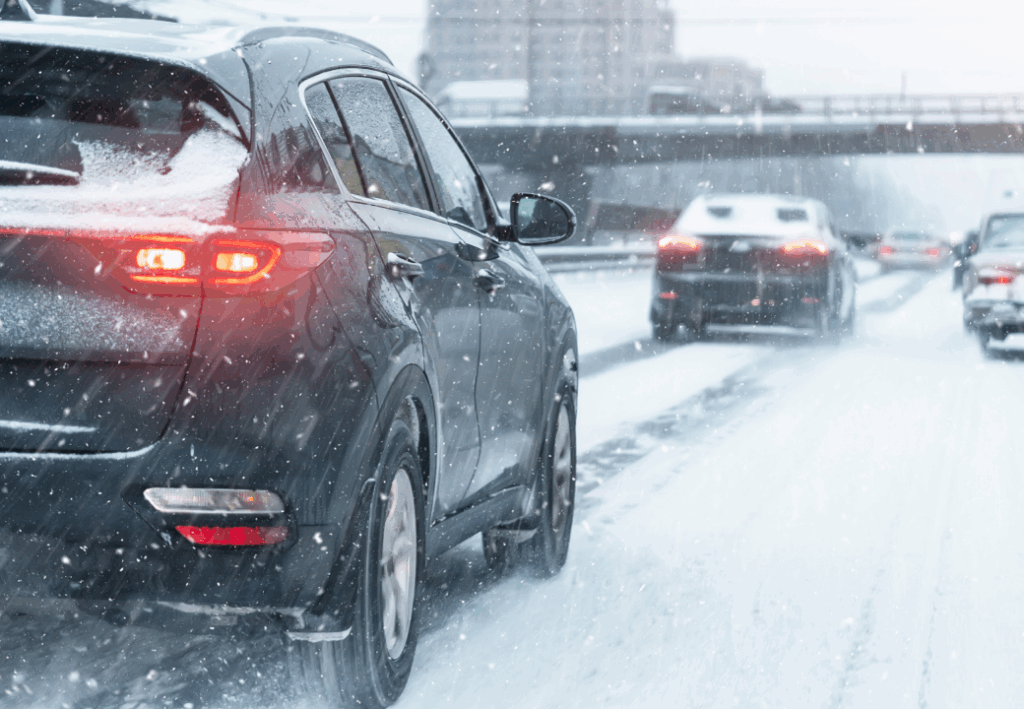
Once the weather changes, there are some extra steps you can take to care for your car:
Check your brakes
Checking your brakes is important for winter driving and for your safety. Rattling, squeaks, or a strange feel through the pedal often signals a car’s braking system needs attention.
You also need to watch stopping distances. They increase significantly on icy or snowy roads, and worn brakes make this worse.
Top up your antifreeze (coolant)
Antifreeze stops the water in your engine’s cooling system from freezing. Top it up whenever the level drops below the guide marks. Check your engine coolant twice a year, ideally before summer and before winter.
Cleaning your lights
During winter, your car can get dirtier quickly. This is often due to the salt and grit spread on the roads.
That grime builds up on your lights and cuts their brightness. Road safety charity IAM RoadSmart estimates cars without headlamp washers can lose 40% of luminosity in about 20 miles on a damp, gritted motorway.
So wipe your lights regularly through winter, especially if your car has no headlamp washers.
Check your tyres for winter driving
Before icy or wet conditions, spend time assessing your tyres carefully. Worn tyres are dangerous at any time, but the risk rises sharply on wet or snowy roads. Check tread and pressure using the guidance in the tyre section above.
For extra grip on rural or exposed roads, you can also fit:
- Snow chains
- Tyre socks
- Winter tyres

Wiper blades & windscreen wash
It may sound obvious, but working wipers are essential for a clear windscreen. Check the blades regularly for splits, and wipe them with a clean cloth. Never pull a blade off a frozen windscreen, as the rubber can tear.
Your washer fluid also runs low quickly in winter, from road spray and rain. Keep an eye on the level, because poor visibility is dangerous.
An empty washer bottle can also fail your MOT: GOV.UK lists wipers and washers among the parts checked at an MOT.
Testing your battery
Cold winter weather can take a toll on your battery if you’re not using the car regularly. The risk of battery failure is far greater in the cold, which pushes up breakdowns.
Some warning signs of battery failure include:
- Cabin temperature dropping
- Your car’s speed slowing, or the engine turning over slower
- A red battery warning light on the dash
- A flicker of the battery light when you start the engine
If you notice any of these, get your car checked by a mechanic as soon as possible.
Check your oil and fuel levels
Cars need oil and fuel to run, or they will simply break down.
Keep your oil between the minimum and maximum marks before setting off. Low oil can lead to breakdown or engine damage.
You also need enough fuel for every journey. Running out in freezing conditions is the last thing you want.
For electric cars, keep enough charge to avoid range anxiety. Very cold temperatures can also slow charging. Where you can, park so snow can’t gather under the battery.
Protecting your car’s paint and exterior
Your car is always exposed to dirt and debris from the road. In winter, it also faces the grit spread to de-ice the roads.
That grit causes corrosion, so watch for paint chips or damage to your car’s body. Left alone, this can lead to rust and a tired-looking exterior. A good wax at the start of winter helps protect your car’s bodywork.
A regular wash at sensible pressure also removes the salt and grit picked up on winter roads.

Having the essentials for your journey
Once your car is ready for winter, think about your own safety too. Pack a kit in case you get stranded in the snow, including:
- Warm clothing, a blanket, or a sleeping bag
- A warning triangle
- A mobile phone with charger
- A torch with batteries
- A shovel for snowy conditions
- An ice scraper and de-icer
- Tow straps
- Bottled water
- Jump leads
- A high-visibility vest
Servicing your car
Like the tips above, it’s important to service your car all year round. Winter makes this more important, given the harsh conditions your car faces.
According to the RAC, most manufacturers recommend a service once a year or every 12,000 miles, whichever comes first. Read your owner’s handbook for your car’s schedule and book in good time, especially before winter.
Remember that an MOT is not a substitute for servicing. GOV.UK notes the MOT checks legal safety standards but doesn’t cover the engine, clutch, or gearbox.

What happens if you don’t drive your car for a long time?
Even if you don’t drive for a while, your car will be fine, as long as you’ve stored it well. That means running the engine for 15 minutes every couple of weeks.
It also helps to keep the car somewhere dry and well-ventilated. This stops the brakes rusting while it sits.
How to store a car
If you aren’t planning to use your car, the conditions it is stored in will be key to getting it running again.
Top up oil, fuel and anti-freeze before storage
First, fill the fuel tank before leaving your car for several months. This limits condensation in the tank and cuts the risk of rust.
Adding a fuel stabiliser is another good precaution. It stops the fuel going bad when stored for six months or more.
You should also replace the engine oil and filters with fresh ones before a long lay-up. As above, a full service before storage is worth it.
Oil the cylinders before long-term storage
Remove the spark plugs and spray a little oil into the cylinders. This prevents rust building up in the engine block.
Your car’s storage environment
A dry, temperature-stable spot is key for storing your car. It protects the car from the elements and stops the mechanics rusting.
Ideally, use a functional garage rather than the roadside. If you don’t have a garage, public storage is often available at reasonable prices.
If you must leave your car outdoors, cover it with a weatherproof car cover. This gives some protection from dirt, debris, and rain.
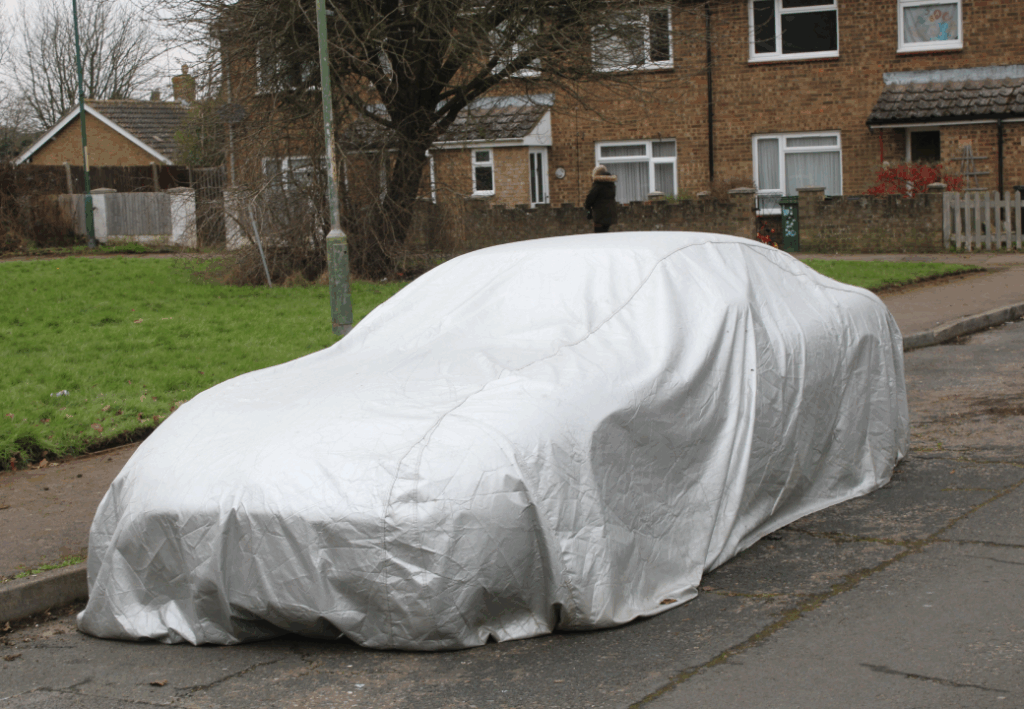
Keeping it clean
As mentioned, a clean car is important for protecting the paint. Dirt or moisture left on the paint can cause corrosion.
Wash the car thoroughly before any long-term storage. For extra protection, wax and polish the body first.
Update your tax paperwork
If your car is off the road as a SORN, remember to claim a road tax refund. This stops you paying tax your car no longer needs.
Storing unpainted metal
Spray some WD-40, or a similar water-displacement product, on any unpainted metal. This helps prevent rust during long-term storage. Keeping the car in a dry, ventilated space matters for the same reason.
Checking your brakes before setting off
When you return to the road after a long break, drive gently at first. Check the brakes over the first few miles.
Clear any visible corrosion from the brakes before setting off. These steps protect your safety and your car’s braking.

How much is your car worth?
Van valuation — the ultimate guide
Car trade in value – get your highest offer
How much does mileage affect car value?
What documents do I need to sell a car?
Top 10 tips to sell your car
How to sell a car privately
How to sell a car with free collection
Should you sell your diesel car?